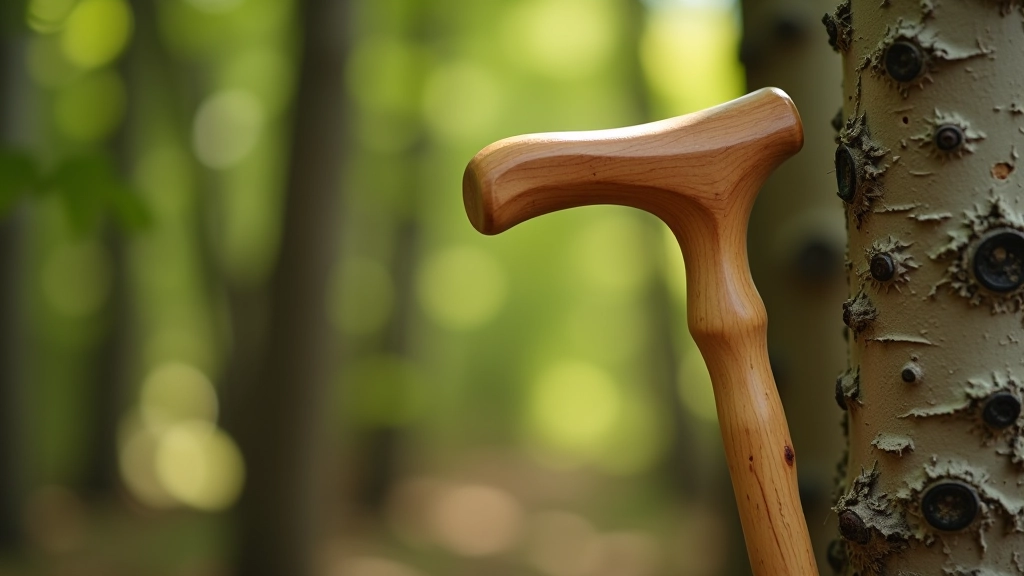


Whittling Basics — Techniques & Seasonal Projects
Master foundational whittling skills with Baltic softwoods. Explore seasonal project ideas using foraged materials — from autumn leaves holders to winter decorative pieces carved from nature.
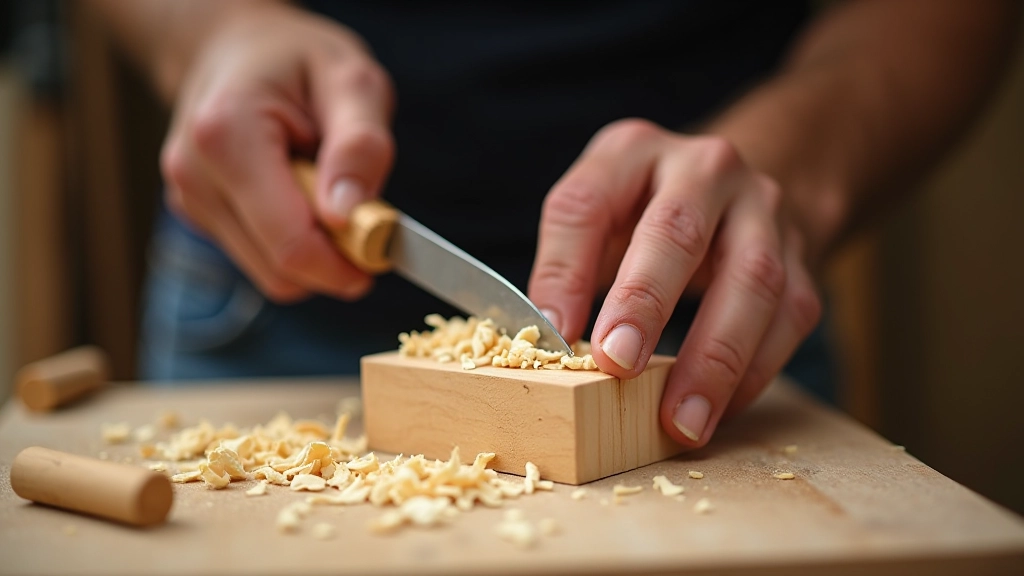
Getting Started with Whittling
Whittling isn't complicated. It's honestly one of the most accessible woodcraft skills you can learn. All you need is a sharp knife, a piece of wood, and patience. We're talking maybe 20-30 minutes to carve something you'll actually want to keep.
The real magic happens when you start noticing wood grain, understanding how softwoods differ from hardwoods, and realizing you can turn a random branch into something beautiful. Most beginners see results in their first week. It's not about perfection — it's about understanding how the knife moves through the material.
We've trained hundreds of people in whittling since 2017, and the pattern's always the same: people come in thinking they can't do this, then they carve their first simple shape and suddenly they're planning their next project. That moment? That's what makes this craft special.
Essential Tools & Wood Selection
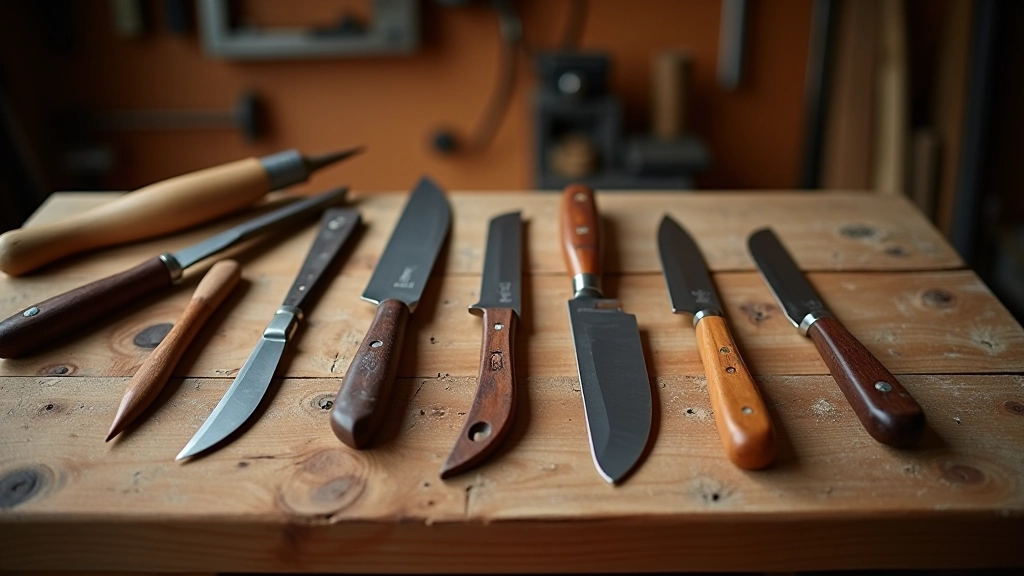
You don't need a massive toolkit. One good knife beats five mediocre ones. Look for a blade that's 2-3 inches long, sharp enough to shave with, and balanced in your hand. The handle matters too — you're holding this for hours, so comfort isn't optional.
For wood, Baltic pine and birch are ideal for beginners. They're soft enough to cut easily but hard enough to hold detail. Avoid anything too dense or you'll spend all your time fighting the material. Foraged wood works perfectly — fallen branches, split logs from last season, even driftwood if you live near water.
Quick Wood Guide
- Pine: Softest, best for detailed work
- Birch: Slightly harder, excellent detail retention
- Willow: Very soft, good for spoons and utensils
- Avoid oak, walnut, and hardwoods when starting
Core Cutting Techniques
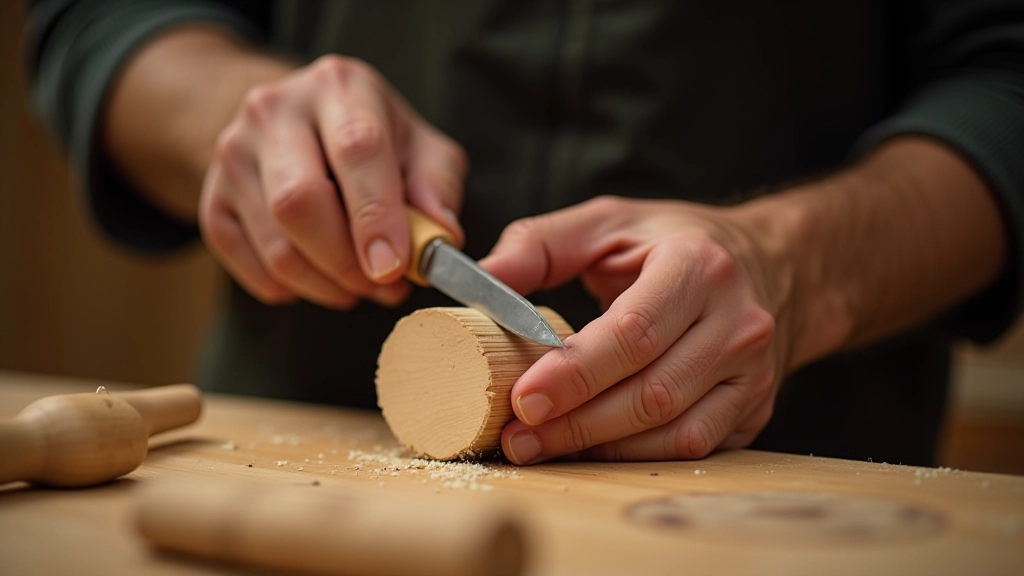
There's really only three cuts you need to master: the push cut, the pull cut, and the stop cut. Everything else builds from these fundamentals. Push cuts are where you move the blade away from your body — great for general shaping. Pull cuts bring the knife toward you — used for detail work and refinement. Stop cuts are vertical or angled cuts that create boundaries, preventing your knife from slipping.
The most common beginner mistake? Trying to remove too much material at once. You can't put wood back. Small, controlled cuts beat aggressive ones every single time. We tell students: if you think about making a cut, that's probably too big. Make it smaller.
Your knife direction matters enormously. Always cut with the grain, never against it. Wood has a grain pattern — it's like the fibers running through it have a preferred direction. Cut with the grain and you'll get clean, smooth surfaces. Cut against it and you'll get splintering and tears. Spend five minutes examining your wood before you start cutting, and you'll save yourself 30 minutes of frustration.
Seasonal Project Ideas
Start simple and build your skills through the year
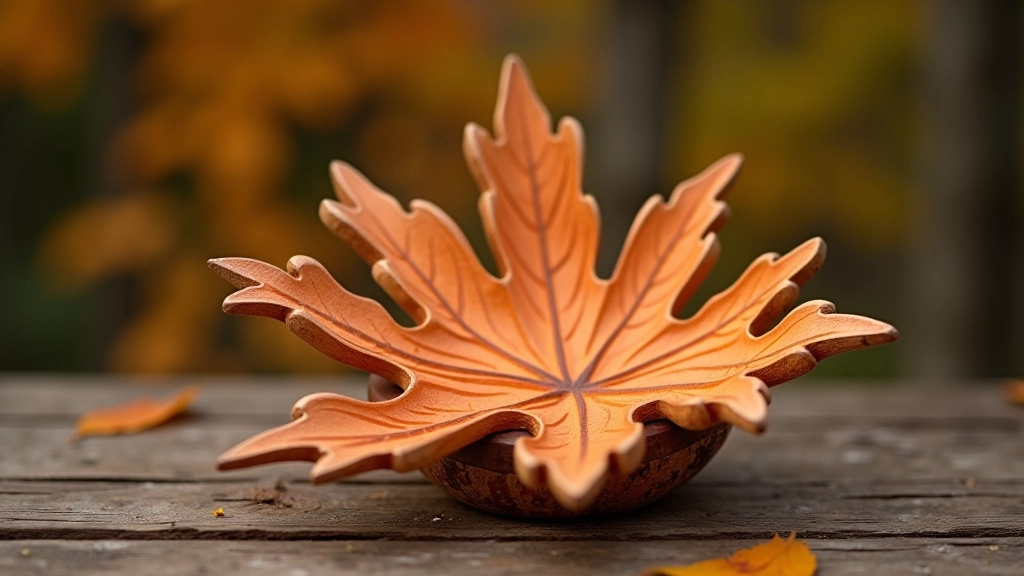
Autumn: Leaf Holders
Carve simple curved holders from pine branches. They're practical, beautiful, and teach you about flowing, organic shapes. Takes 2-3 hours from start to finish.
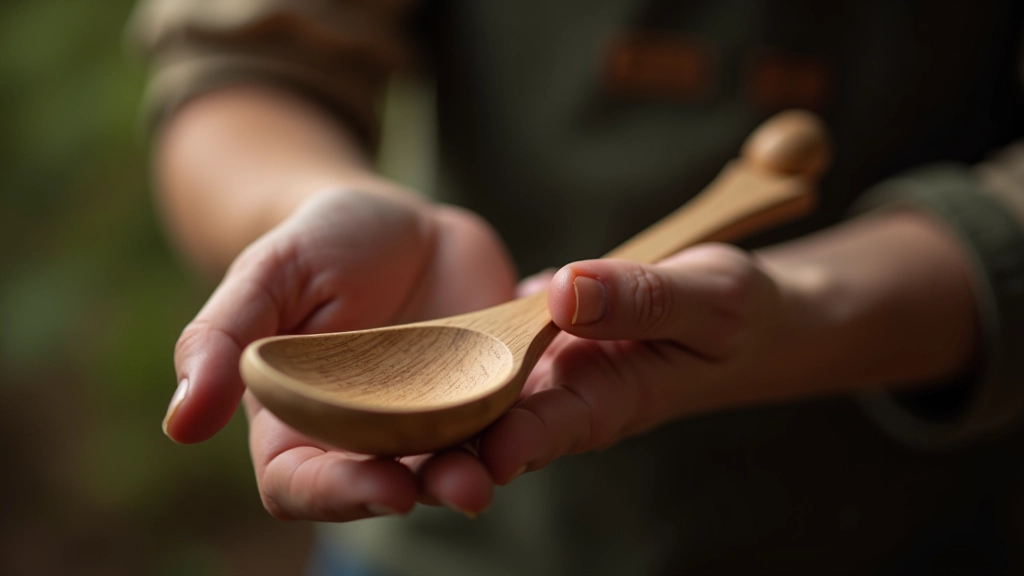
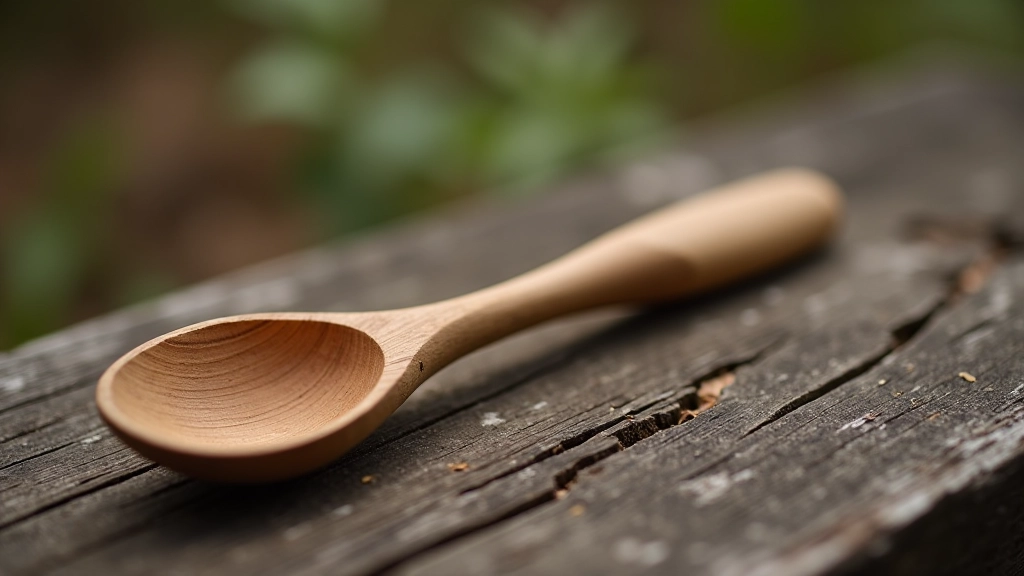
Winter: Decorative Spoons
Winter's perfect for indoor projects. Carve spoons with decorated handles — they're useful, look impressive, and give you practice with detail work over several sessions.
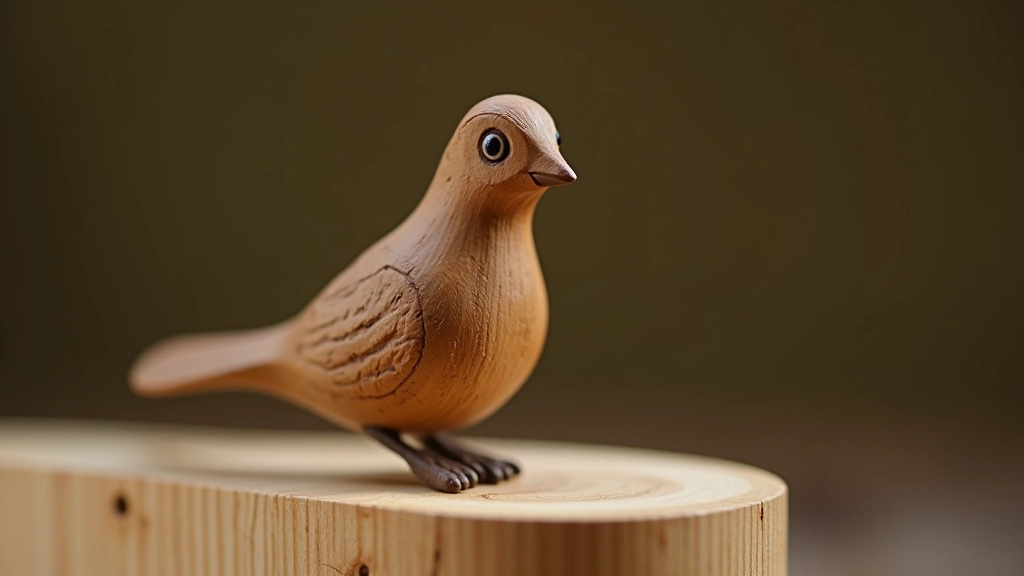
Spring: Small Figurines
Warmer weather means more time outdoors. Carve simple animals or abstract shapes. These teach you about three-dimensional thinking and proportions.
Start Carving Today
Whittling's waiting for you. Find a branch, grab a knife, and start making small cuts. You don't need permission, special training, or fancy materials. What you need is curiosity and patience — the rest comes naturally.
The wood doesn't judge. Your first carvings won't be perfect, and that's completely fine. They'll be honest representations of your skill right now, and that's actually beautiful. Come back next month and you'll be noticeably better. Come back in six months and you'll barely recognize your early work.
This craft connects you to centuries of tradition. Latvian forests have inspired woodcarvers for generations. When you pick up a knife and carve into Baltic wood, you're joining that lineage. That's something special.
Important Information
This article provides educational information about whittling techniques and seasonal projects. While we've included safety considerations and best practices, woodcarving involves sharp tools and carries inherent risks. Always work in a well-lit space, wear appropriate protective equipment if needed, and use proper tool handling techniques. If you're new to carving, consider learning from experienced practitioners or instructors in person. This content is for informational purposes and doesn't replace professional instruction or hands-on guidance. Results vary based on individual skill, materials, and practice.
Related Articles
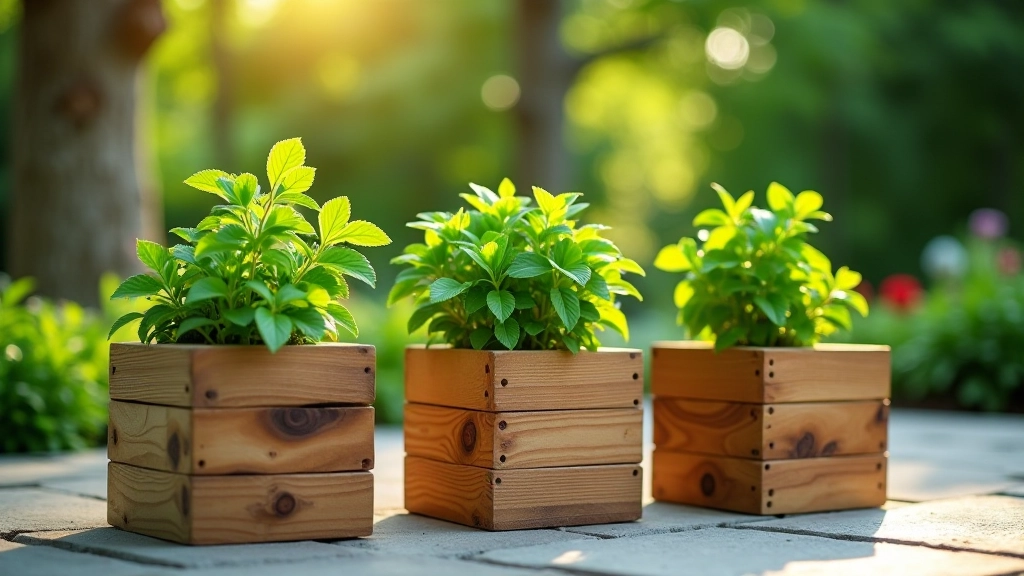
Crafting Garden Planters from Local Wood
Read Article