Questions About Latvian Woodcraft?
Find answers about building birdhouses, crafting walking sticks, whittling, and seasonal outdoor projects using Baltic forest materials.
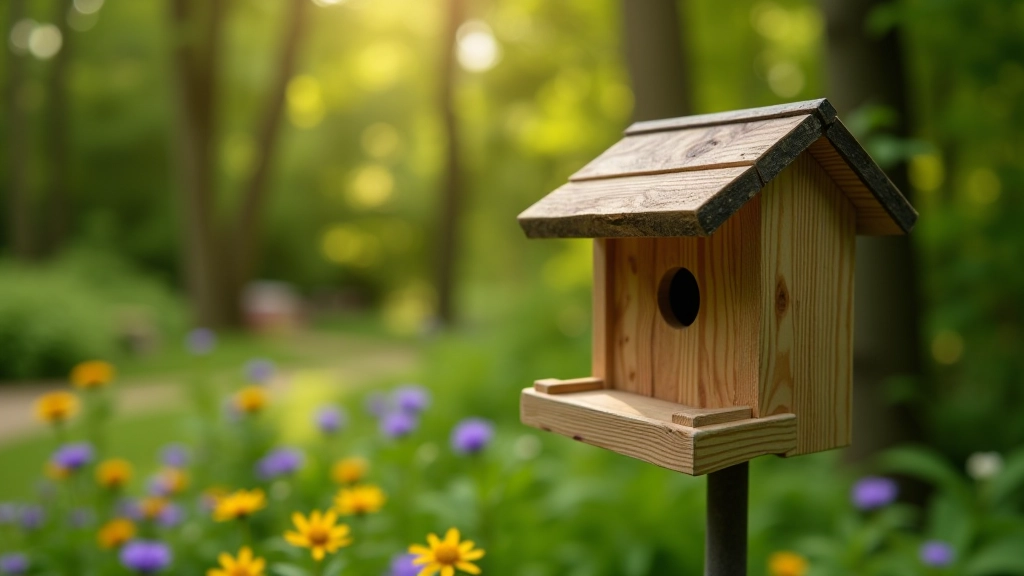
You don't need any woodworking experience at all—honestly, a basic birdhouse is one of the best starting projects. Most people complete their first one in a single afternoon using just a saw, drill, and sandpaper. We'll guide you through wood selection, simple joinery, and weatherproofing techniques that work with Latvian pine and spruce.
The main difference is drainage and size. Birdhouses need small entrance holes and ventilation; planters need drainage holes and deeper sides for soil. Both use similar woodworking techniques—cutting, joining, finishing—but the design considerations differ. We teach you how to adapt the same fundamental skills for both projects.
Yes, and that's actually the traditional approach. We'll teach you how to identify suitable branches (hazel, ash, and birch work beautifully), season them properly—typically 3 to 6 months depending on thickness—and then shape them into functional sticks. The character of forest wood gives each walking stick unique grain patterns and weight distribution you won't get from store-bought materials.
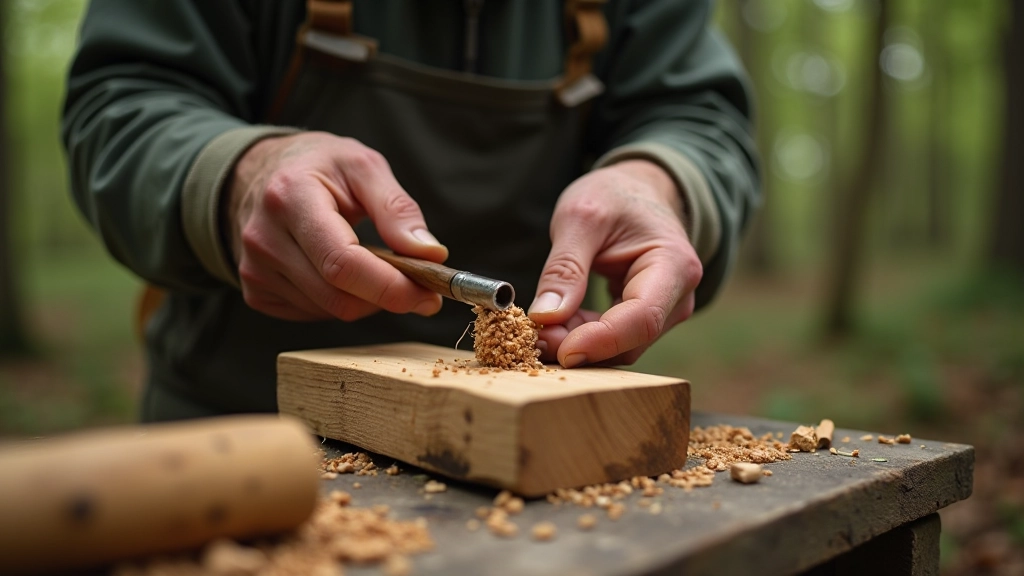
Whittling is genuinely approachable for beginners. You start with soft Baltic woods like linden or pine, simple tools (a few sharp knives), and small projects—think decorative spoons or basic animal shapes. Most people feel confident making clean cuts within their first few hours. We focus on grip, knife control, and wood grain understanding rather than complex techniques.
Late autumn through early spring is ideal for branch collection—the sap is down, wood dries more evenly, and you can clearly see tree structure without leaves. Summer offers foraged materials like birch bark and wild grasses for decoration. We design seasonal projects around what's naturally available: winter whittling projects, spring planter construction, autumn walking stick prep.
You can start with surprisingly little. A saw, hand drill, sandpaper, and a few chisels will cover birdhouses and planters. Whittling needs just quality knives. You don't need a full workshop—a clean table and good lighting are enough. We provide detailed tool recommendations for different projects, and many people begin with hand tools before investing in power equipment.
Still have questions?
Reach out and let's talk about which project fits your interests and skill level.
Get in Touch